In the dynamic world of business, due diligence stands as a critical process that underpins informed decision-making, risk mitigation, and successful transactions. As technology continues to advance, a new player has emerged on the due diligence scene – Artificial Intelligence (AI). This article explores the intricacies of due diligence, the advent of AI in this domain, and its diverse applications across various industries.
What Does Due Diligence Entail?
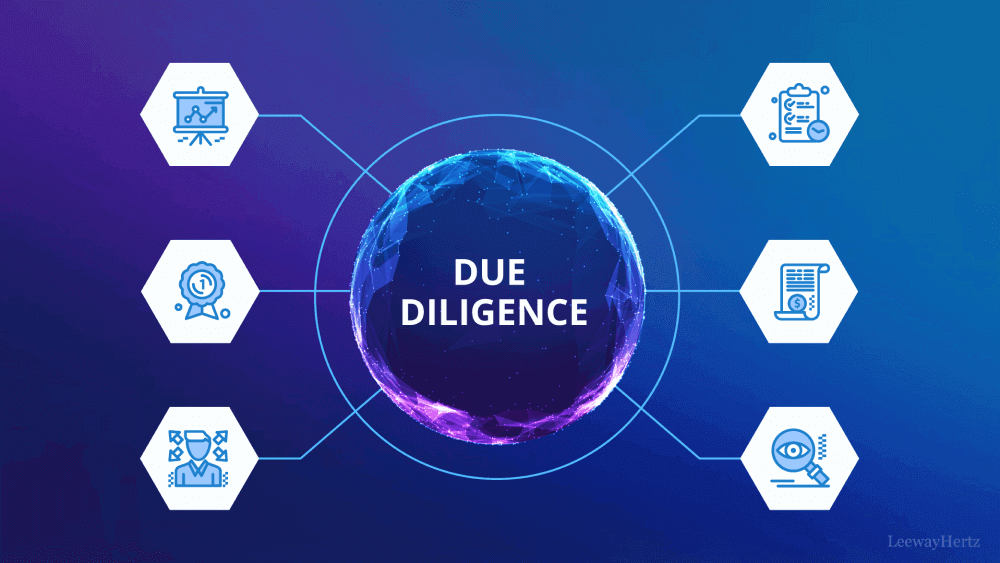
Due diligence is a comprehensive investigation and analysis process conducted by businesses, investors, or legal entities before entering into agreements, mergers, acquisitions, or financial transactions. The aim is to uncover all relevant information, assess risks, and make well-informed decisions.
What is AI Due Diligence?
AI due diligence refers to the integration of artificial intelligence tools and technologies into the due diligence process. These advanced systems leverage machine learning algorithms, data analytics, and automation to enhance the efficiency, accuracy, and depth of due diligence investigations.
Differences Between Traditional and AI Due Diligence
- Speed and Efficiency: AI due diligence significantly accelerates the process by automating data analysis, allowing for quicker decision-making compared to the time-consuming manual reviews of traditional methods.
- Data Processing and Analysis: AI systems excel at handling vast amounts of data, extracting patterns, and identifying anomalies with a level of precision that surpasses human capabilities, ensuring a more thorough analysis.
- Risk Identification: AI due diligence employs predictive analytics to identify potential risks and provide insights into future scenarios, enabling a proactive approach to risk management.
- Cost Savings: While traditional due diligence may require extensive human resources, AI reduces costs by automating repetitive tasks, allowing professionals to focus on more strategic aspects of the investigation.
Applications of AI in Due Diligence Across Industries
Finance and Banking
AI due diligence streamlines risk assessment by analyzing financial data, detecting fraudulent activities, and assessing the creditworthiness of entities, providing financial institutions with a robust decision-making framework.
Private Equity
In the realm of private equity, AI due diligence optimizes deal evaluation by analyzing historical performance, predicting future trends, and identifying potential value creation opportunities, ensuring informed investment decisions.
Real Estate
AI contributes to due diligence in real estate by analyzing property data, assessing market trends, and predicting potential risks, aiding in property valuation and investment decision-making.
Manufacturing and Supply Chain
In the manufacturing sector, AI due diligence optimizes supply chain analysis by identifying efficiency gaps, predicting production issues, and assessing the reliability of suppliers, ensuring a seamless and risk-mitigated supply chain.
Legal and Compliance
AI due diligence assists legal professionals by automating document reviews, ensuring compliance with regulations, and identifying legal risks, expediting the legal due diligence process and minimizing human error.
The Evolving Landscape of Due Diligence
The integration of AI into due diligence processes marks a transformative shift in how businesses approach information gathering and risk assessment. The synergy of human expertise with AI capabilities ensures a more comprehensive, efficient, and accurate due diligence process across various industries.
In conclusion, due diligence is a multifaceted process crucial for making well-informed business decisions. The advent of AI in this arena introduces a new era of efficiency, speed, and accuracy, revolutionizing how organizations navigate the complexities of transactions and agreements. As industries continue to embrace AI due diligence, the landscape of due diligence itself is evolving, paving the way for more informed, strategic, and successful business ventures.
 LeewayHertz