Artificial Intelligence (AI) is significantly transforming portfolio management by providing advanced tools for analyzing vast amounts of data, predicting market trends, and optimizing investment strategies. Traditional portfolio management often relies on human expertise and manual data analysis, which can be time-consuming and prone to errors. AI technology addresses these challenges, enhancing the efficiency and effectiveness of managing investment portfolios.
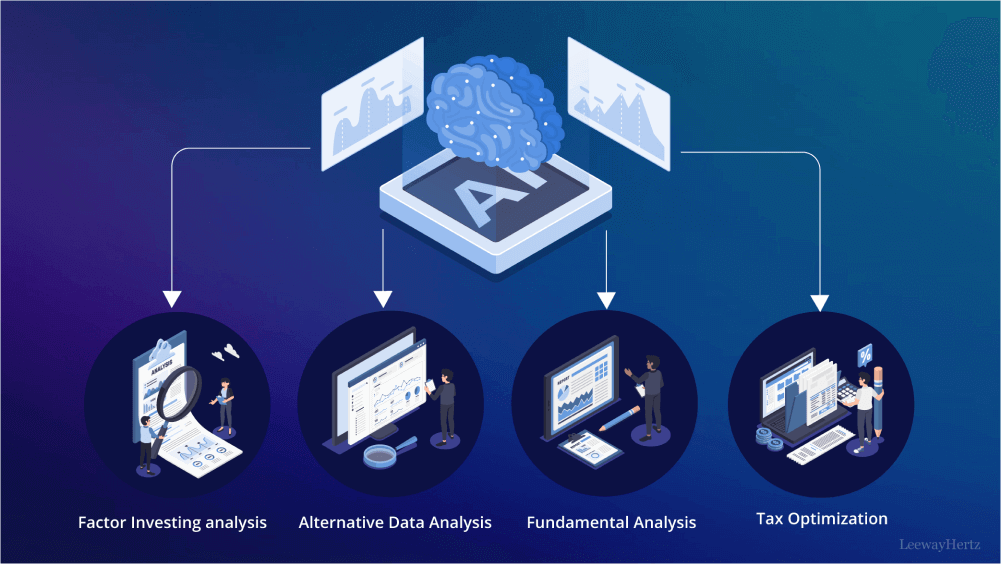
Data Analysis and Insights
AI algorithms excel at processing and analyzing large datasets from various sources, including financial news, market trends, economic indicators, and historical data. By leveraging machine learning, AI can identify patterns and correlations that may not be immediately apparent to human analysts. This capability allows portfolio managers to make more informed decisions based on comprehensive data insights.
Predictive Analytics
One of the key advantages of AI in portfolio management is its ability to predict future market movements. AI models can analyze historical data and current market conditions to forecast trends and potential investment opportunities. These predictive analytics enable portfolio managers to proactively adjust their strategies, potentially increasing returns and reducing risks.
Risk Management
AI enhances risk management by continuously monitoring portfolios and assessing risk factors. Machine learning models can detect early signs of market volatility or changes in asset performance, allowing managers to mitigate potential losses. AI also supports stress testing and scenario analysis, helping managers understand how different market conditions could impact their portfolios.
Automation of Routine Tasks
AI automates many routine tasks involved in portfolio management, such as data entry, report generation, and performance tracking. This automation frees up time for portfolio managers to focus on more strategic activities, such as developing investment strategies and engaging with clients. Additionally, automated systems can provide real-time updates and alerts, ensuring that managers are always informed about portfolio performance.
Personalized Investment Strategies
AI enables the creation of personalized investment strategies tailored to individual investor profiles. By analyzing factors such as risk tolerance, investment goals, and financial situations, AI can recommend customized portfolio allocations. This personalization improves client satisfaction and can lead to better investment outcomes.
Enhanced Decision-Making
AI supports enhanced decision-making by providing portfolio managers with actionable insights and recommendations. By integrating AI tools into their workflows, managers can make more objective and data-driven decisions, reducing the influence of cognitive biases. This leads to more rational investment choices and potentially higher returns.
In conclusion, AI in portfolio management is revolutionizing the field by offering advanced data analysis, predictive analytics, improved risk management, task automation, personalized strategies, and enhanced decision-making. As AI technology continues to evolve, its impact on portfolio management is expected to grow, offering even greater benefits to investors and managers alike.
 LeewayHertz